New drivers getting behind the wheel in Fort Lauderdale run into toll roads almost immediately. The Sawgrass Expressway, I-95 Express Lanes, I-595 Express Lanes, and the Florida Turnpike form a grid that covers Broward County in every direction. You can thread your way around them for a few blocks, but not for a full commute. More to the point, two of those four systems reject cash and reject Toll-by-Plate entirely - if you don't have a transponder mounted and registered before you merge in, a violation notice is already generating. This guide explains each road, what it requires, and exactly what goes wrong when a new driver gets it wrong.
Why Toll Roads Are Unavoidable in Fort Lauderdale
Broward County sits at the center of South Florida's toll infrastructure. Four major systems converge here, and each has its own rules, pricing structure, and consequences for mistakes.
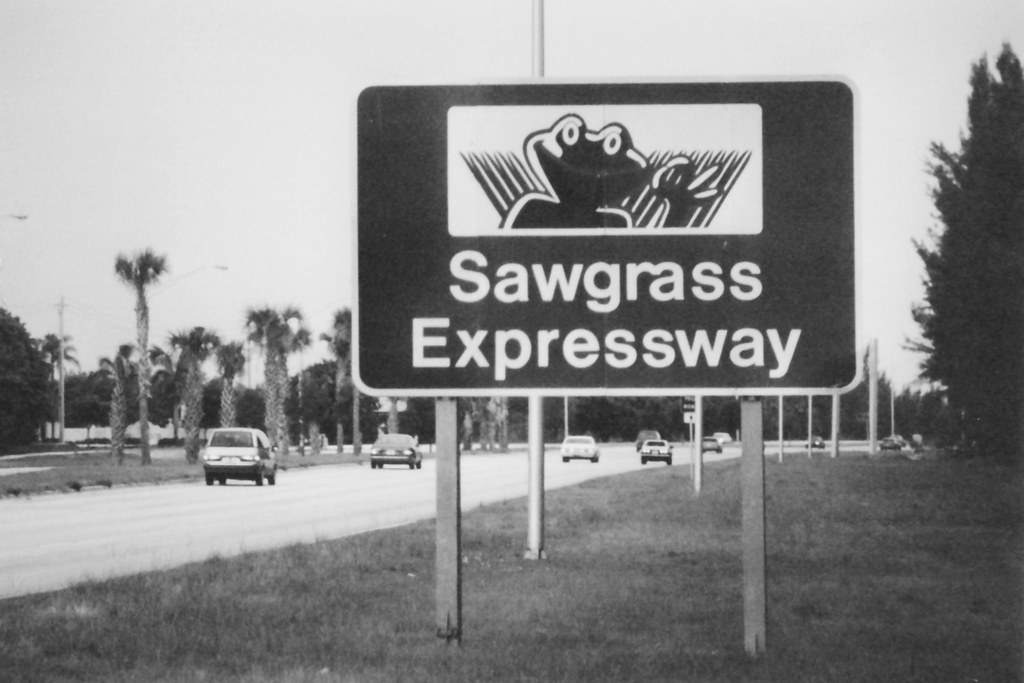
The Sawgrass Expressway (SR-869) runs roughly 21 miles in a partial loop across northern and western Broward County. Operated by Florida's Turnpike Enterprise, it connects I-95 near Deerfield Beach to I-75 and I-595. Any teen driver heading regularly between the coast and Coral Springs, Margate, Parkland, or Coconut Creek will use this road. Toll plazas appear at several points along the loop.
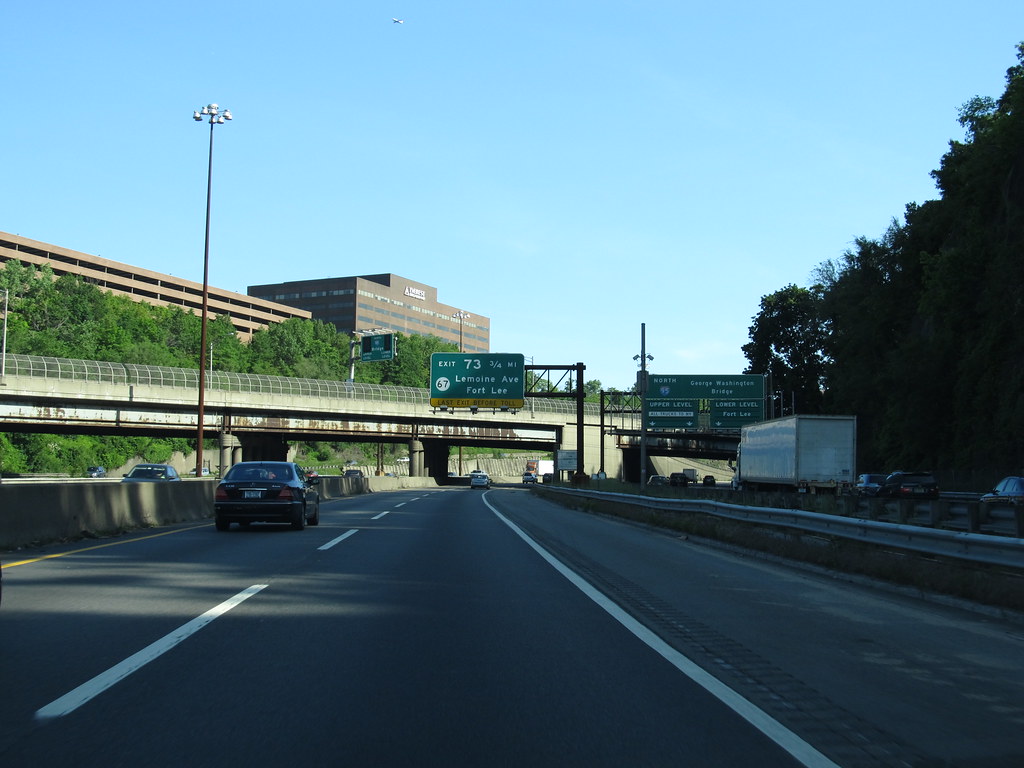
The I-95 Express Lanes run alongside regular I-95 through the heart of Broward. These lanes use dynamic pricing - the toll adjusts in real time based on traffic conditions and is displayed on electronic overhead signs before each entrance. They are open 24 hours a day, every day. The speed limit throughout the corridor is 55 mph. Critically, these lanes are SunPass-only: Toll-by-Plate is not accepted here.
The I-595 Express Lanes cut east-west across Broward, connecting I-75 near the Everglades to I-95 near central Fort Lauderdale. Drivers coming from Weston, Davie, or Sunrise into the city use them constantly. Like I-95 Express, these lanes require SunPass and do not accept Toll-by-Plate billing. They are also restricted to two-axle vehicles and buses only.
The Florida Turnpike (SR-91) passes through western Broward on its north-south path between Miami-Dade and Palm Beach County. The Turnpike does accept Toll-by-Plate, though SunPass still produces a lower per-toll cost. Many Fort Lauderdale drivers encounter it on airport runs to FLL or trips toward Pembroke Pines without fully registering that they've used a toll road.
How SunPass Works
SunPass is Florida's prepaid electronic toll system. A small transponder mounts in the vehicle and communicates with sensors built into overhead gantries as you pass under them. There are no booths to stop at on most Florida roads - the gantry reads the transponder at highway speed and deducts the toll from your account balance in milliseconds. You don't hear or see anything while driving. Every transaction appears in your account history online.
Setting up an account takes about ten minutes from start to finish. Do it in this order:
- Purchase a SunPass transponder at a retail location or at sunpass.com.
- Go to sunpass.com and create an account - or call the SunPass customer line listed on the packaging.
- Enter the transponder's serial number and your vehicle's license plate information.
- Load a prepaid balance. There is a required minimum to activate the account - check sunpass.com for the current amount, as this figure can change.
- Link a credit or debit card for auto-replenishment so the account reloads automatically when the balance drops below a set threshold.
- Mount the transponder according to the included instructions - placement on the windshield directly affects read reliability.
SunPass Mini vs. SunPass Pro
Two transponder types are sold in Florida. The choice matters more than most people realize, especially for a teen driver who might eventually use multiple cars or drive outside the state.
| Feature | SunPass Mini | SunPass Pro |
|---|---|---|
| Mounting | Peel-and-stick, permanently bonds to windshield | Suction cup, fully removable |
| Portable between vehicles | No - stays with the glass | Yes - move it to any registered car |
| Florida coverage | Full | Full |
| Out-of-state coverage | Georgia, Kansas, NC, Oklahoma, Texas only | Full E-ZPass network across most northeastern and midwestern states |
| Best suited for | One car, Florida-only travel | Multiple vehicles or road trips up the East Coast |
For a teen with one car who stays in South Florida, the Mini covers everything needed. If there is any realistic chance of driving north - college visits, family trips to the Carolinas or Georgia, or moving away for school - the Pro's E-ZPass compatibility makes it the better long-term buy. Neither type works on motorcycles.
Where to Buy SunPass in Broward County
More than 3,000 retail locations sell SunPass transponders statewide, and Broward County has strong coverage. You do not need to visit a government office or wait for mail if you want a transponder today.
Retail locations in Broward that carry SunPass include:
- Publix supermarkets
- CVS Pharmacy
- Walgreens
- Amscot Financial
- AAA South offices
- Navarro Pharmacies
- Sedano's Supermarkets
Ordering online at sunpass.com and having the transponder mailed is also an option, with account setup completed during the order. Whichever purchase method you choose, activation still requires creating an online account and registering the transponder to a specific license plate. Families with multiple cars should note that each plate that might encounter a toll road needs to be covered - either with its own transponder and account, or by transferring a SunPass Pro and updating the registered plate before driving.
How Toll-by-Plate Works - and Why It Costs More
Toll-by-Plate is Florida's fallback system for vehicles that pass through a toll point without a registered transponder. A camera photographs the license plate, the system identifies the registered owner through state motor vehicle records, and a bill is mailed to that address. Each invoice carries a per-invoice service charge on top of the toll itself - see sunpass.com or the relevant toll authority's site for the current charge amount.
Two things about Toll-by-Plate that new drivers and their parents need to understand before assuming it is a harmless backup plan:
First, it consistently costs more than SunPass for the same road. SunPass users pay the electronic rate; Toll-by-Plate users pay a higher rate plus the service charge. On a road driven daily, that gap accumulates into real money over weeks. Second, and more consequential - the bill goes to the registered owner of the vehicle, not the driver. A teen who borrows a parent's car, misses a toll, and says nothing about it generates an invoice in the parent's name. If it sits unopened or unpaid, the registered owner faces the escalating consequences described below.
For the Turnpike and Sawgrass, Toll-by-Plate is inconvenient but workable when invoices are paid promptly. On the I-95 and I-595 Express Lanes, it is not an option - those lanes do not capture plates for billing. They require a transponder, period.
I-95 Express Lanes: Rules, Pricing, and What Not to Do
The I-95 Express Lanes operate differently from every other toll road in Broward. Pricing changes minute to minute based on real-time traffic conditions. Before each entrance ramp, an electronic sign displays the current toll for that segment. You see the price before you commit to entering - which is the point where new drivers need to be paying attention, because once you are in, the rules are strict.
What the express lanes require
- A valid SunPass or registered Florida-accepted transponder, properly mounted - no exceptions and no Toll-by-Plate alternative.
- Compliance with the 55 mph speed limit, which is enforced throughout the corridor.
- For carpool exemption: three or more occupants traveling to or from work, registered in advance through FDOT, and still with a valid transponder in the vehicle - the exemption reduces the toll to zero but does not eliminate the transponder requirement.
Entering the I-95 Express Lanes without a registered transponder results in the toll charge plus a daily violation fee. Check the FDOT website for the current penalty amount. It is not a trivial surcharge.
The same delineator rule applies on I-595. There is no shortcut out - just continue to the next exit point.
I-595 Express Lanes: Broward's East-West Toll Corridor
The I-595 Express Lanes run east-west across Broward County between I-75 near the Everglades and I-95 near Fort Lauderdale. For daily trips between Weston, Davie, or Sunrise and central Fort Lauderdale, they are often the fastest option. They tend to get heavy use during school drop-off and pickup windows, which means teen drivers encounter them at exactly the moments when traffic pressure makes lane decisions feel rushed.
Restrictions that most guides skip
Only two-axle vehicles and buses may use these lanes. A driver in a rental moving truck, a pickup pulling a boat trailer, or any vehicle with a third axle cannot legally enter the I-595 Express corridor. SunPass is required and Toll-by-Plate does not apply here - the same hard requirement as I-95 Express. A vehicle that enters without a valid transponder will be charged the toll plus a violation fee, with no plate-billing fallback.
If you merge into the I-595 Express by mistake - perhaps following GPS directions too closely - the rule is the same as anywhere on Florida's managed lanes: do not cut through the delineators. Continue to the next designated exit, leave the express lane, and reenter the general lanes from there.
What Happens When You Miss a Toll
Missing a single toll is easy to fix. Ignoring the resulting invoice is where things go from inconvenient to genuinely serious.
The escalation timeline
When a vehicle passes through a toll point without a transponder read, a camera captures the plate and a Toll-by-Plate invoice is generated. That invoice - toll plus service charge - goes to the registered owner. If it is paid, the matter ends there.
If the invoice is not paid within the allowed period, the toll authority can issue a Uniform Traffic Citation. A UTC is a formal traffic violation, not a billing notice - it carries its own penalty fee on top of the original toll and service charge. Failing to pay or appear on a UTC can result in a D6 driver license suspension entered by the Clerk of Court, which blocks driving privileges until the court issues a clearance. The process does not require a crash or a traffic stop - it happens entirely through the mail and the courts.
Unpaid violations that proceed far enough can also be referred to a collection agency, adding collection fees and potential credit bureau reporting.
The registration renewal block - and why parents are affected
Beyond the driver's license, Florida law allows DHSMV to block vehicle registration renewal for any vehicle whose registered owner has outstanding unpaid toll violations. A parent who didn't know their teen missed several tolls on the Sawgrass may find they cannot renew the car's registration at the tag agency - and may not understand why until they're already at the counter. The registered owner is legally responsible for toll violations on their vehicle regardless of who was driving.
The registered owner of a vehicle is liable for toll violations incurred by that vehicle, regardless of who was operating it at the time.Florida Department of Highway Safety and Motor Vehicles
Isaiah's Law and 2026 enforcement changes
As of July 1, 2026, Isaiah's Law introduced updated toll violation tracking and enforcement procedures across Florida, with additional IT enforcement features rolling out through fall 2026. The effect is a more systematic and faster path from unpaid invoice to formal violation to license and registration consequences. The administrative gaps that sometimes let violations sit unresolved for longer periods are closing. New and teen drivers - and the parents whose registrations are on the line - should treat every toll transaction as a real obligation, not a thing that might be forgiven.
Practical Tips for New Fort Lauderdale Drivers
The mechanics of SunPass are straightforward. The habits that keep it working without surprises take a little more thought:
- Set auto-replenishment from day one. Link a credit or debit card to the SunPass account and configure it to reload automatically when the balance drops below a chosen threshold. A zero balance at the gantry does not stop the car - the gantry reads a zero and generates a Toll-by-Plate charge instead. The service charge is added. The bill goes to the registered owner.
- Turn on low-balance alerts. SunPass accounts can send email or text notifications when the balance is running low, before auto-replenishment is triggered. This matters when a linked card expires or gets replaced - the alert gives you a window to update payment information before the account fails at a gantry.
- Check your transaction history every week or two. Log into sunpass.com and review recent toll records. If a Toll-by-Plate charge appears on an account that should have a working transponder, something is wrong - either the transponder placement is off or the plate is not correctly registered. Catch it early.
- Use SunPass Easy Pay for FLL airport parking. Fort Lauderdale-Hollywood International Airport accepts SunPass for parking payment through the Easy Pay program. Enroll through your SunPass account and link a credit or debit card. For teen drivers picking up or dropping off family members, it removes the need for cash or a separate parking app - one account handles the toll roads and the parking structure exit lane.
- Update the registered plate when moving the transponder. The SunPass system ties each transponder to specific license plates. Moving a SunPass Pro from one car to another without updating the account registration means the gantry may not match the read correctly. Log into the account and update the vehicle information before driving the second car through any toll point.
Getting these habits right at the start of a driving career costs almost nothing. Untangling a registration block, a D6 suspension, or a collection account costs considerably more - in time, money, and driving privileges.
Frequently Asked Questions
Can I drive Fort Lauderdale toll roads without SunPass?
On most Florida toll roads - including the Sawgrass Expressway and the Florida Turnpike - you can drive without a transponder and receive a Toll-by-Plate invoice mailed to the registered owner, with a service charge added. On the I-95 Express Lanes and I-595 Express Lanes, Toll-by-Plate is not accepted at all. Entering either of those corridors without a registered transponder results in the toll plus a violation fee, and there is no plate-billing alternative.
My teen drove my car and missed tolls. Do the fines come to me?
Yes. Toll-by-Plate invoices and Uniform Traffic Citations are sent to the registered vehicle owner, not the driver. If the car is registered in your name, you are the liable party under Florida law. Unpaid violations can block your vehicle's registration renewal, and a D6 license suspension resulting from an unpaid UTC applies to the registered driver of record on the citation - which, depending on circumstances, could be you.
Will my E-ZPass from another state work on Florida's toll roads?
E-ZPass transponders from participating states are generally accepted on Florida Turnpike Enterprise roads, including the Sawgrass. Coverage is not identical on every Florida toll facility, and the express lane corridors have their own requirements, so verify acceptance at floridaturnpike.com or the relevant authority's site before relying on an out-of-state transponder in Broward. When in doubt, a SunPass Pro is the confirmed solution for Florida roads.
Are the I-95 Express Lanes always open?
Yes - the I-95 Express Lanes operate 24 hours a day, seven days a week, with no scheduled closures for off-peak hours. Pricing is dynamic at all hours, adjusting based on real-time traffic conditions. The current toll is always posted on the electronic message boards above each entrance ramp before you commit to entering.
How does the carpool exemption work on I-95 Express?
Carpools of three or more occupants traveling to or from work can register for a toll-free rate in the I-95 Express Lanes through the FDOT website. A valid, properly mounted SunPass or accepted transponder must still be present in the vehicle - the exemption brings the toll to zero, but does not waive the transponder requirement. Entering the lanes without a transponder still generates a violation even if the vehicle would otherwise qualify for the carpool rate.
What is Isaiah's Law and what does it mean for toll enforcement?
Isaiah's Law is Florida legislation that took effect July 1, 2026, updating how toll authorities track and process unpaid violations, with additional enforcement features phasing in through fall 2026. It closes administrative gaps that previously allowed some violations to sit unresolved for extended periods. In practical terms, the path from unpaid invoice to formal Uniform Traffic Citation to license and registration consequences is now faster and more systematic - making it more important than ever for new drivers and their families to pay toll invoices promptly and monitor their SunPass account balance.