Fort Lauderdale drivers cross paths with red light cameras at major intersections every day. Most never think about them until a white envelope from the city lands in the mailbox. For new drivers and the parents of teens learning to drive, that notice raises questions no one thought to cover in driver's ed: who actually owes the fine, does this touch the driving record, and what happens when the car belongs to a parent but a teenager was at the wheel. This guide covers every part of that picture from a safety education angle - not from a law office trying to sell you a contest service.
How Red Light Cameras Work in Florida: Sensors, Triggers, and What Gets Photographed
Florida's red light camera program carries a name worth knowing: the Mark Wandall Traffic Safety Program. Mark Wandall was a 30-year-old Bradenton resident killed by a red-light runner in 2003, and the program enacted in 2010 bears his name as a reminder that these intersections claim real lives. That context matters when you are learning to drive.
The cameras use sensors embedded directly in the road surface, synchronized to the traffic signal above them. Here is what many new drivers get wrong: the system does not activate on a yellow light. It activates only when the signal turns red. A driver who enters on yellow - even if the light changes while they are crossing - has not triggered the camera. The sensor fires when the light goes red and a vehicle is still crossing the stop line.
From that moment, the system requires at least two sequential photographs of the rear of the vehicle. A human reviewer examines the footage before any notice is generated. The camera does not automatically issue a ticket - it captures images for review. Cameras run around the clock, every day of the year.
The rear-only photography matters more than most people realize. Because the system photographs the back of the vehicle, the driver's face is generally not captured. The license plate identifies the vehicle, not the person behind the wheel. This has direct consequences for the teen-driver scenario covered later in this guide.
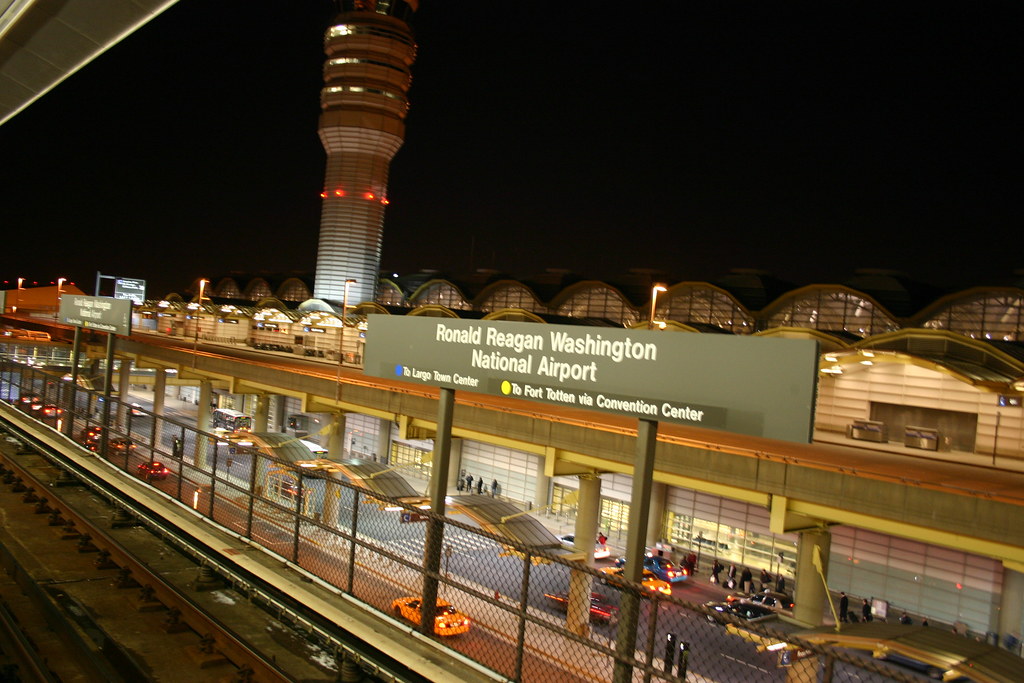
Where Cameras Are Active in Fort Lauderdale and Which Broward Cities Have Live Programs
Fort Lauderdale operates cameras at specific high-traffic intersections. Knowing where they sit sharpens your attention at exactly the spots where both citations and crashes are most likely.
- SR 84 at SW 9th Ave
- W. Commercial Blvd at 21st Ave
- W. Sunrise Blvd at 15th Ave
- S. Federal Hwy at SR 84N
- Federal Hwy at 8th St
- Commercial Blvd at Powerline Rd
Across Broward County, camera programs vary city by city. Municipalities vote to start, expand, or terminate contracts on their own timelines. The current picture as of 2025-2026 is not uniform, and knowing which cities are live matters when you drive across municipal lines.
Cities With Active Programs
- Fort Lauderdale - active at the intersections listed above
- Sunrise - cameras have operated continuously since 2010, never shut down
- Davie - program ongoing
- Tamarac - program ongoing
Cities Where Programs Have Ended
- Pembroke Pines - voters approved terminating the city's camera program
This is not a permanent list. Cities add and remove cameras as contracts change, intersections are reconfigured, or local votes shift the political will. Verify the current status at your specific city's official website before assuming any intersection is or is not monitored.
The Fine: Civil Infraction vs. Moving Violation and the Points Difference That Matters
The distinction that matters most to a new driver: a red light camera citation under the Mark Wandall Traffic Safety Program is a civil infraction, not a moving violation. That single classification changes nearly everything about the consequences.
| Factor | Camera Citation | Officer-Issued Red Light Ticket |
|---|---|---|
| Points added to license | None | Points added - check FLHSMV for current amount |
| Who receives the notice | Registered vehicle owner | The driver at the scene |
| Insurance impact | None if paid promptly | Possible rate increase tied to points |
| Fine level | Set civil fine - see official notice | Higher fine - see FLHSMV for current amount |
| Record classification | Civil infraction | Moving violation |
Points accumulate on a Florida license and can push insurance premiums higher or eventually trigger a suspension. A camera citation paid promptly leaves none of that behind. That is the intended result under the law - the program treats these as a civil safety enforcement tool, not a punitive record event for the driver.
The fine revenue does not go entirely to the city either. Florida law directs a share to the Brain and Spinal Cord Injury Trust Fund and the Florida Department of Health Administrative Trust Fund. That allocation connects the program's income directly to the human cost of the crashes it is designed to prevent.
The Right-Turn-on-Red Exception: The Rule New Drivers Constantly Misunderstand
Florida law is direct on this point: a driver cannot be issued a camera citation for making a right-hand turn on red if the turn was made in a careful and prudent manner at an intersection where right turns are permitted. The camera footage must show a genuine violation - not a legal, properly executed turn - for a notice to issue.
The confusion arises because many new drivers treat right-turn-on-red as permission to roll through slowly. It is not. What "careful and prudent" actually requires in practice:
- A complete stop before the stop line - not a slow rolling deceleration, but a full stop with the vehicle stationary
- A clear check for pedestrians in the crosswalk and for oncoming traffic before the vehicle moves into the turn
- Reading posted signs - intersections marked "No Turn on Red" override the general right-turn exception entirely, and a camera at one of those locations captures every right turn as a violation regardless of how carefully it was made
Who Gets the Ticket When a Teen or Permit Driver Is Behind the Wheel
This is the scenario most driving guides never address, and it is one every family with a new driver needs to understand before the learner's permit gets used on city roads.
Red light camera citations go to the registered owner of the vehicle - not the person who was driving. When a teen or learner's-permit holder runs a camera light in a parent's car, the parent receives the notice in the mail. The camera photographed the rear of the vehicle. The driver's face was not captured. There is no automatic mechanism in the system to identify who was actually behind the wheel.
The registered owner has options. One of them is submitting a sworn affidavit that names the actual driver - in this case, the teen. That transfers the citation. But transfer is not a free move. Once the citation shifts to the teen, they are in the citation process directly, and if the matter escalates beyond a straightforward payment, points could become relevant for their new license.
For families in the middle of driver training, the camera event itself is worth treating as useful information regardless of how the paperwork gets resolved. A teen who rolled through a red at a monitored intersection is a teen who needs more focused intersection work before the road test. The fine is the minor issue. The habit is the real problem to fix.

Your Window After a Notice of Violation: Pay, Contest, or Submit an Affidavit
When the notice arrives in the mail, the deadline is printed on it. Read it immediately - do not set the envelope aside on a counter. The window is limited, and missing it changes your options. Three paths exist.
- Pay the civil fine. Paying closes the citation. No points, no insurance impact, no further action. The notice states the amount - verify it matches the current figure posted at the relevant city's official website or at flhsmv.gov before submitting payment.
- Request a hearing to contest the citation. A hearing officer reviews the evidence. If you lose, the fine increases substantially and court costs are added - and points may then apply to the driver's license. Read the callout below before choosing this path.
- Submit a sworn affidavit identifying the actual driver. If someone else was operating the vehicle, a sworn statement naming them transfers the citation. This is the relevant option for parents whose teen was driving.
Ignoring the notice is not a neutral choice. Failure to pay or resolve the citation triggers a state notice of impending license suspension. After that point, the driver cannot renew their license or their vehicle registration until the matter is cleared. A forgotten camera notice can sideline a teen's provisional license entirely - a serious consequence for what started as an avoidable oversight.
The March 2026 Broward Constitutional Ruling: What It Actually Means for Drivers Today
In March 2026, Broward County Judge Steven P. DeLuca issued a 21-page ruling finding that the red light camera citation process is unconstitutional. The core problem he identified: the law presumes the registered vehicle owner was the driver. That presumption shifts the burden of proof onto the accused - the owner must demonstrate they were not driving rather than the government proving they were. Judge DeLuca found that reversal of the normal legal burden to be constitutionally impermissible.
That ruling matters, and it has a clear boundary. It is a county-level circuit court order. It applies in Judge DeLuca's court. It does not bind other counties, and it does not override the Florida Supreme Court's 2018 decision affirming the overall legality of red light cameras statewide. Those cameras remain operational. Citations continue to be issued across Fort Lauderdale and the rest of Broward County while legal challenges work through the courts.
Attorneys are already citing the March 2026 order in Broward County cases. Whether it influences appellate decisions - and whether that effect eventually spreads statewide - is an open question as of mid-2026. Follow coverage from the Florida Bar or local legal news outlets for updates on how the issue develops through the appeals process.
Until a higher court addresses the constitutional question across all of Florida, driving as if every camera-equipped intersection is fully enforced is the only reasonable position for a new driver to take.
Safe Driving Habits at Camera Intersections: How to Never Trigger One in the First Place
The most reliable strategy at a camera intersection is to never give it a reason to activate. The habits below apply everywhere, not only at known camera locations - because programs expand, and because these habits prevent crashes, not just citations.
Approaching the Intersection
- Scan the signal early enough to adjust your speed before you arrive - a driver approaching at full speed has far fewer options when the light changes
- Identify your stop line before you reach it: the painted line, not the crosswalk, not the edge of the intersection box
- A green light that has been green for a while as you approach is likely to change - ease off the accelerator rather than committing to clearing the intersection at speed
Stopping and Turning
- Stop before the stop line - not on it and not past it
- For a right turn on red, bring the vehicle to a complete stop, check for pedestrians and cross traffic, and turn only when the path is clear and signs permit it
- Do not inch forward while waiting at a long red - repositioning past the stop line creates exposure even when the light is still red
When the Light Turns Yellow
- Yellow means prepare to stop, not accelerate to clear
- If stopping safely is genuinely impossible given your distance and speed, proceed at a controlled pace - entering an intersection on yellow is not a violation
- If you can stop safely, stop - even if you calculated you could have made it through
Cameras do not cause poor intersection decisions. They record the outcome of them. Every one of these habits also reduces the chance of a side-impact collision, a pedestrian strike, or getting rear-ended by someone who expected you to clear the light. The habits that keep you citation-free are exactly the habits that keep you safe.
Frequently Asked Questions
Does a red light camera ticket affect my Florida driving record or insurance?
A camera citation paid within the deadline adds no points to your Florida license and carries no moving violation classification. It should not affect your insurance premium. The picture changes if you contest the citation and lose - at that point, points can be assessed and your insurer may treat it differently. Pay promptly and the record impact is zero.
Can I get a camera ticket for turning right on red in Fort Lauderdale?
Not if the turn was made in a careful and prudent manner at an intersection where right turns on red are allowed. The requirement is a full stop before the stop line, followed by yielding to pedestrians and cross traffic, then turning. A rolling deceleration that never fully stops can be captured and cited. Always check for posted "No Turn on Red" signs - those remove the exception entirely at that specific location.
My teenager was driving my car when the camera caught the violation. Who is responsible?
The notice comes to you as the registered owner. You can pay the civil fine to close the matter, contest it at a hearing, or submit a sworn affidavit naming your teen as the actual driver - which transfers the citation to them. Think through which path fits your situation, and use the incident as a reason to schedule more intersection practice before your teen's road test.
Because of the March 2026 Broward ruling, can I ignore a red light camera notice?
No. Judge DeLuca's ruling is a circuit court order, not statewide law, and cameras in Broward and Fort Lauderdale continue to operate while appeals proceed. Ignoring a notice leads to a state impending-suspension notice, and after that point you cannot renew your license or registration until the citation is resolved. If you want to challenge a citation based on the constitutional argument, speak with an attorney familiar with the current status of that case before your response deadline passes.
What happens to the money collected from red light camera fines?
The city does not keep all of it. Florida law directs a portion of camera fine revenue to the Brain and Spinal Cord Injury Trust Fund and the Florida Department of Health Administrative Trust Fund. That allocation ties the program's revenue to recovery for people injured in the type of crashes it is designed to reduce - the program's justification goes beyond city budget income.
How do I find out which Broward County cities currently have active camera programs?
As of 2025-2026, Fort Lauderdale, Sunrise, Davie, and Tamarac have active programs; Pembroke Pines voters approved ending theirs. Programs change when municipal contracts expire or residents vote on the issue. Check the official city government website for any city where you are uncertain - a search for the city name plus "red light camera" will surface either the city's own program page or recent local news coverage of any changes.