Alligator Alley does not look like a dangerous road on a map. It is a straight line, an interstate, a route that Google Maps treats as routine. What the map does not show is the 75-mile stretch with one fuel stop, drainage canals on both sides, no streetlights, unreliable cell service, and a flat landscape so featureless it puts alert drivers to sleep. Fort Lauderdale drivers use this road regularly to reach Naples and Florida's Gulf Coast. New drivers who attempt it without preparation encounter hazards that do not exist anywhere in Broward County.
What Alligator Alley Is and When Fort Lauderdale Drivers Actually Use It
Alligator Alley is the informal name for the tolled section of I-75 that crosses the Everglades from western Broward County to Naples in Collier County - approximately 75 miles of two-lane interstate in each direction with the Everglades on both sides. It is a real interstate: well-paved, well-marked, and maintained by FDOT. It is also one of the most isolated roads in South Florida, and isolation changes everything about how a driver must prepare.
From Fort Lauderdale, drivers use Alligator Alley as the direct route to Naples, Marco Island, Bonita Springs, and the western Gulf Coast. There is no practical alternative that does not add hours to the trip. If you are heading to southwest Florida from Broward County, this is the road.
That said, a new driver should treat it as a destination on their experience road map, not a starting point. It demands highway confidence that I-95, I-595, and the Turnpike can build before you arrive at the eastern plaza. A permit holder who has never merged at highway speed does not belong here on their third solo session. The driver who has logged real miles in varying conditions and practiced managing fatigue is ready for this road. The driver who just passed their test is not, yet.
How to Get There: Taking I-595 West to the Broward County Entrance
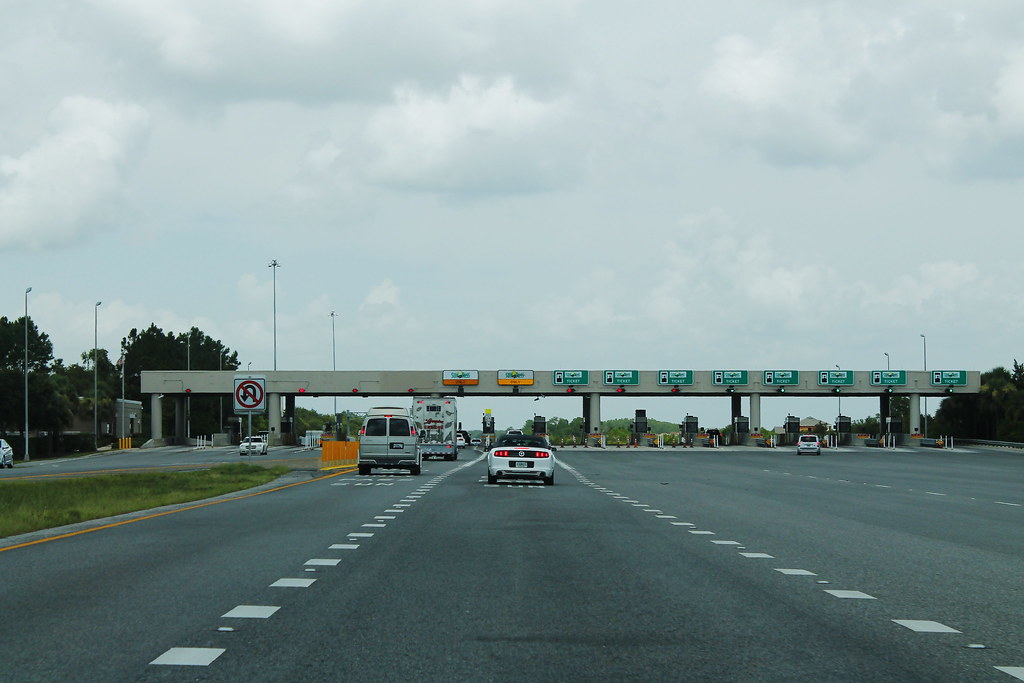
This step is missing from every tourism guide and law-firm page that ranks for this road, because those pages are not written for Fort Lauderdale residents. From Fort Lauderdale, you reach Alligator Alley by taking I-595 West - not I-95 South, not US-27. Drive I-595 westbound all the way to its terminus in western Broward County, where it connects to I-75. From that interchange, continue west on I-75 through Weston. The Alligator Alley eastern toll plaza is several miles ahead.
The approach to the toll plaza requires attention. I-595 ends and you merge onto I-75, then continue westbound until you reach the plaza. There is no gradual approach with multiple warning signs the way some Turnpike plazas are configured. Know before you leave which lanes you will use - SunPass or cash - because you want your lane chosen before you are in the approach, not while you are merging into it.
Toll Plazas, SunPass, and the Toll Booth Speed Rule
Alligator Alley collects tolls at both ends - one plaza at the Broward County entrance and one at the Collier County exit near Naples. You pay at both. SunPass transponders are accepted at each plaza, and cash lanes are available for drivers without one. For current toll amounts and accepted payment methods, check the FDOT Alligator Alley page or the SunPass website - amounts are set by the state and change periodically.
What new drivers consistently get wrong at toll plazas is speed. The mandatory speed through a toll booth lane is a fraction of the highway speed limit - a sharp, committed reduction. Drivers approaching from highway speed have to slow aggressively and early. If you have only used open-road tolling where you pass through at speed, practice at traditional Turnpike booths before you hit the Alley, so the deceleration is familiar and controlled.
The camera at each plaza records your plate regardless of payment method. There is no option to roll through slowly and let it sort out later - you must be in your designated lane, at the booth speed, and ready to pay before you reach the attendant or the machine.
Speed Limits and Why FHP Enforcement Is Stricter Here Than on I-95
The speed limit outside the toll plazas is the same as a standard Florida interstate. Florida Highway Patrol actively enforces it and writes tickets on this road regularly. The corridor's remote character does not reduce enforcement - it concentrates it, because FHP uses Alligator Alley as a primary patrol zone and is a consistent presence on the stretch.
The flat Everglades horizon distorts speed perception. There are no buildings, no cross streets, no visual anchors that make your speed feel real. New drivers who learned in Broward's grid of traffic lights and intersections find this disorienting. Your speedometer becomes your only reliable reference - check it more often than you think you need to.
| Factor | I-95 through Broward | Alligator Alley (I-75) |
|---|---|---|
| Overhead lighting | Present at most interchanges | Absent along most of the route |
| Cell service | Reliable throughout | Unreliable or absent across long sections |
| Fuel availability | Exit every few miles | One plaza at the midpoint only |
| FHP presence | Distributed across many zones | Concentrated on one corridor |
| Canal hazard | Not present | Both sides of the highway |
| Hypnosis risk | Low - frequent visual changes | High - monotonous flat landscape |
The Only Gas Station in 75 Miles: Miccosukee Service Plaza at Mile Marker 49
The Miccosukee Service Plaza, signed as Exit 49 and also called Snake Road, is the single facility on the entire tolled crossing. It has fuel, food, and restrooms. That is everything available between the Broward entrance plaza and the Collier County exit near Naples. There is nothing else.
If you enter the highway with less than a full tank and miss this exit - or if you pass it thinking you can make it to Naples - you will find out you were wrong in one of the worst possible places. Running out of fuel on Alligator Alley means a disabled vehicle on a road with narrow shoulders, deep canals nearby, little shade, and unreliable cell service. The plaza sits at roughly the midpoint of the crossing. It is not a convenience stop. It is an infrastructure dependency.
Rest areas at several points along the route - near mile markers 35, 48, 63, and 80 - offer restrooms and a place to stop, but no fuel. The Miccosukee Service Plaza is the only place you can buy gas between the two county lines. Plan accordingly.

Canal Dangers and Cable Barriers: Why Leaving Your Lane Is Potentially Fatal
Deep drainage canals run parallel to both sides of Alligator Alley for the full length of the highway. They sit close to the shoulder, they are steep-sided, and they are deep. Between 1995 and 1999, a series of crashes in which vehicles left the travel lane and entered the canals killed 14 people - more than 50 canal crashes in that five-year span. The canal water did not kill people by impact. It killed them because a submerged vehicle is very hard to escape.
After those crashes, engineers installed a cable barrier system along the Collier County section - the first such system on any Florida highway, completed in 2004. After the barriers went in, canal-crash fatalities dropped substantially. The barriers stop vehicles before they reach the water. What they do not change is the canal itself: still deep, still close, still a hazard at any section where barriers are not present or where a vehicle gets past them.
- Do not use the shoulder as a slow lane or a passing opportunity - it ends abruptly near canal edges in many sections.
- Check tire pressure before entering - a blowout at highway speed here is a genuine emergency, not an inconvenience.
- Cable barriers reduce canal deaths but are not present at every section; the Broward end has different infrastructure.
- Any evasive maneuver that would be manageable on a Broward street becomes harder here, where both sides of the road have limited margin.
The practical lesson for a new driver: highway hypnosis and lane departure are the direct causes of most canal crashes. Stay in your lane, use rest areas before you are tired, and treat the white lines as your most important information on this road.
Wildlife Hazards: Alligators, Florida Panthers, and the Underpass System
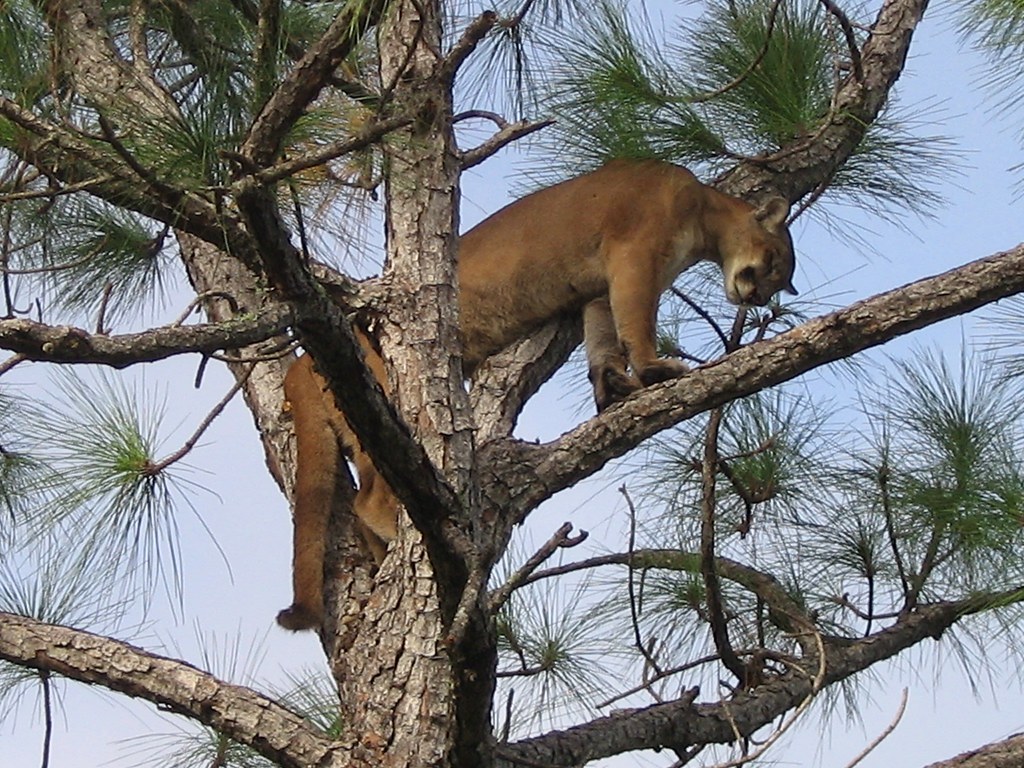
Alligator Alley runs through Big Cypress National Preserve and passes adjacent to the Florida Panther National Wildlife Refuge, which lies north of the highway in Collier County near SR 29. These are active habitat. Florida panthers, white-tailed deer, black bears, and alligators all live in the corridor the highway bisects, and an animal strike at highway speed is a serious crash event.
How the Highway Was Redesigned for Wildlife
In the early 1990s, engineers built dozens of underpasses beneath the road, modified bridge structures, and installed continuous fencing along a large section to guide Florida panthers and other animals safely under the highway instead of across it. Panther mortality from vehicle strikes dropped measurably after that work was completed. The system works. It does not work perfectly.
Alligators are the animal a driver is most likely to encounter on the road surface. They are slow-moving, can appear at any hour, and blend into the pavement in low light. If you see one:
- Slow down gradually - do not brake sharply at highway speed.
- Change lanes if traffic allows. If not, reduce speed and let it move.
- Do not stop in a travel lane - if you must stop, activate hazard lights and stay in your vehicle.
- Never approach an alligator on foot under any circumstances.
- At night, watch for eye-shine at the road edge in your headlights, the same way you would watch for deer on a rural northern road.
Florida panther sightings by drivers are rare, but the response is the same - slow, do not panic-brake, let the animal clear, continue. Deer and raccoons are far more common and equally capable of causing a serious crash at highway speed.
Night Driving with No Streetlights: What New Drivers Must Do Differently
Alligator Alley is intentionally dark. FDOT and the National Park Service chose not to install overhead streetlights along most of the route to protect nocturnal wildlife in Big Cypress National Preserve and reduce light pollution into the Everglades. For the driver, this means your headlights are your only light source after sunset across most of the crossing.
What Total Darkness Does to Driving
New drivers who learned on Fort Lauderdale streets - which are lit all night - often have never experienced unlit highway driving. Your effective visual range shrinks to what your headlights project. At highway speed, that range is shorter than most new drivers expect, and stopping distance can exceed it if you are not prepared. Low beams alone are not enough. Use high beams any time there is no oncoming traffic, which on Alligator Alley at night will be most of the time.
Highway hypnosis is a leading cause of lane-departure crashes on Alligator Alley. The flat, featureless Everglades landscape offers none of the visual variation that keeps a driver's attention engaged, and the risk compounds sharply after dark when there is nothing to see except the road ahead.
- Switch to high beams as soon as you clear the toll plaza and no oncoming traffic is visible.
- Drop back to low beams the moment you see headlights approaching - there is no ambient light to soften oncoming glare on this road.
- Stop at rest areas more frequently than you think you need to. Highway hypnosis arrives faster in total darkness.
- Avoid driving this road on your first solo highway trip - night plus remoteness plus no streetlights is a combination better handled with more experience behind you.
Brush Fire Smoke: The Hazard No One Warns New Drivers About
Fires burn through the Everglades sawgrass and cypress every year. Wind can push thick smoke across the highway with almost no warning, taking visibility from clear to near-zero within seconds. FHP has closed Alligator Alley multiple times due to smoke events. If you drive into sudden dense smoke: slow down immediately, activate your hazard lights, and find a rest area or a safe shoulder position to stop. Do not speed up to get through it - you cannot see what is ahead of you in it. Check FHP's road condition updates and local radio before entering the highway whenever there is any fire activity in the region.
Cell Dead Zones, the Star-FHP Emergency Number, and Breakdown Procedures
Cell coverage on Alligator Alley is genuinely unreliable. You may have a signal near the toll plazas and at the Miccosukee Service Plaza. Across the interior, you may have nothing. No carrier guarantees coverage across the full route, and new drivers should plan as though they will have no signal for the entire crossing. That is not pessimism - it is how remote highway driving works.
Before you reach the eastern toll plaza, complete these steps in order:
- Charge your phone to 100%. Not most of the way - full charge. You cannot plug in on the road.
- Tell someone your route and your expected arrival time. If you do not check in, they should call for help. This single habit has saved lives on remote roads.
- Save *FHP in your phone contacts before you enter. Dialing star-FHP on a cell phone connects directly to Florida Highway Patrol dispatch and can reach emergency services anywhere along the route, even where standard calls do not go through. Add it to your favorites before you reach the plaza.
If your vehicle breaks down mid-crossing:
- Use every inch of available shoulder to get off the travel lane - the shoulders are narrow, but get as far right as possible.
- Turn on your hazard lights immediately.
- Stay inside your vehicle. Standing between a highway and a canal is more dangerous than waiting inside.
- Try *FHP even if regular calls are failing - emergency calls sometimes route through on signals that standard calls cannot use.
- FHP patrols this corridor on a regular basis. A disabled vehicle with hazards activated will be spotted and assisted.
Do not attempt to walk to the Miccosukee Service Plaza or to either end of the highway. The distances are long, the shoulders are narrow, and the roadside conditions make walking on Alligator Alley far more dangerous than staying with your vehicle.
Frequently Asked Questions
Do I need a SunPass to drive Alligator Alley?
No - cash lanes are available at both the Broward and Collier County toll plazas. SunPass is accepted as well and lets you avoid the cash line. For current accepted payment methods and whether TOLL-BY-PLATE applies here, check the FDOT Alligator Alley page before your trip, as toll infrastructure details can change.
Can a teen with a learner's permit drive on Alligator Alley?
Nothing in Florida law prohibits a permit holder from driving on Alligator Alley with a licensed supervising adult. The real question is whether the driver is ready for a road this isolated. Alligator Alley requires solid highway experience, the ability to manage fatigue over a long monotonous stretch, and the composure to handle a breakdown in a remote area with no cell signal. Build that experience on I-595 and the Turnpike first.
What do I do if I drive into sudden smoke from an Everglades fire?
Reduce speed immediately and activate your hazard lights. If a rest area or safe shoulder position is visible, stop and wait for conditions to improve. Do not try to drive through smoke at speed - you cannot see what is in it. Check FHP's road condition updates before entering the highway any time there is fire activity in the region, as smoke closures are called on short notice.
Is the Miccosukee Service Plaza always open?
It operates standard highway plaza hours, but like any single-location facility it can be closed for maintenance or other reasons. Do not enter Alligator Alley counting on the plaza as your only fuel option - fill your tank before entering at a station in Weston or Davie so the plaza is a top-off stop, not a lifeline.
Are the rest areas on Alligator Alley safe to stop at?
Yes, stopping at rest areas is far safer than driving while drowsy. They are lit, they are designed for highway use, and FHP includes them in corridor patrols. The danger is passing them without stopping when you are fatigued, not stopping at them. Use rest areas near mile markers 35, 48, 63, and 80 - that is what they are there for.
What if I cannot get a cell signal when I need help?
Dial *FHP - star-FHP - on your cell phone. This connects to Florida Highway Patrol dispatch and is specifically designed to reach drivers along this corridor even where standard calls do not connect. Save it in your phone before you enter the highway, not after you are already stranded. If *FHP does not connect immediately, FHP patrols the road regularly and will find a vehicle with hazard lights on.